How to Make a Summerhouse Office Work All Year
Written by Matt W on 8th Aug 2026.
Insulate floor, walls and roof
Ventilation plus steady heat
Book an electrician early
Keep a usable chair zone
A summerhouse can work as an office throughout the year when its whole envelope is specified for regular occupation. Insulate the floor, walls and roof; control draughts without blocking ventilation; and plan safe power and heating before assembly. Put the desk, screen and storage on a measured internal plan. A portable heater cannot correct a cold floor, thin roof or persistent leak.
Key takeaways
- Insulation must work across the floor, walls, roof, doors and glazing.
- Thicker logs improve the shell but do not equal complete insulation.
- Ventilation, drainage and steady heat control condensation together.
- Plan sockets, data, lighting and heater positions before the base is finished.
- Use the stated internal dimensions when arranging the desk and chair.
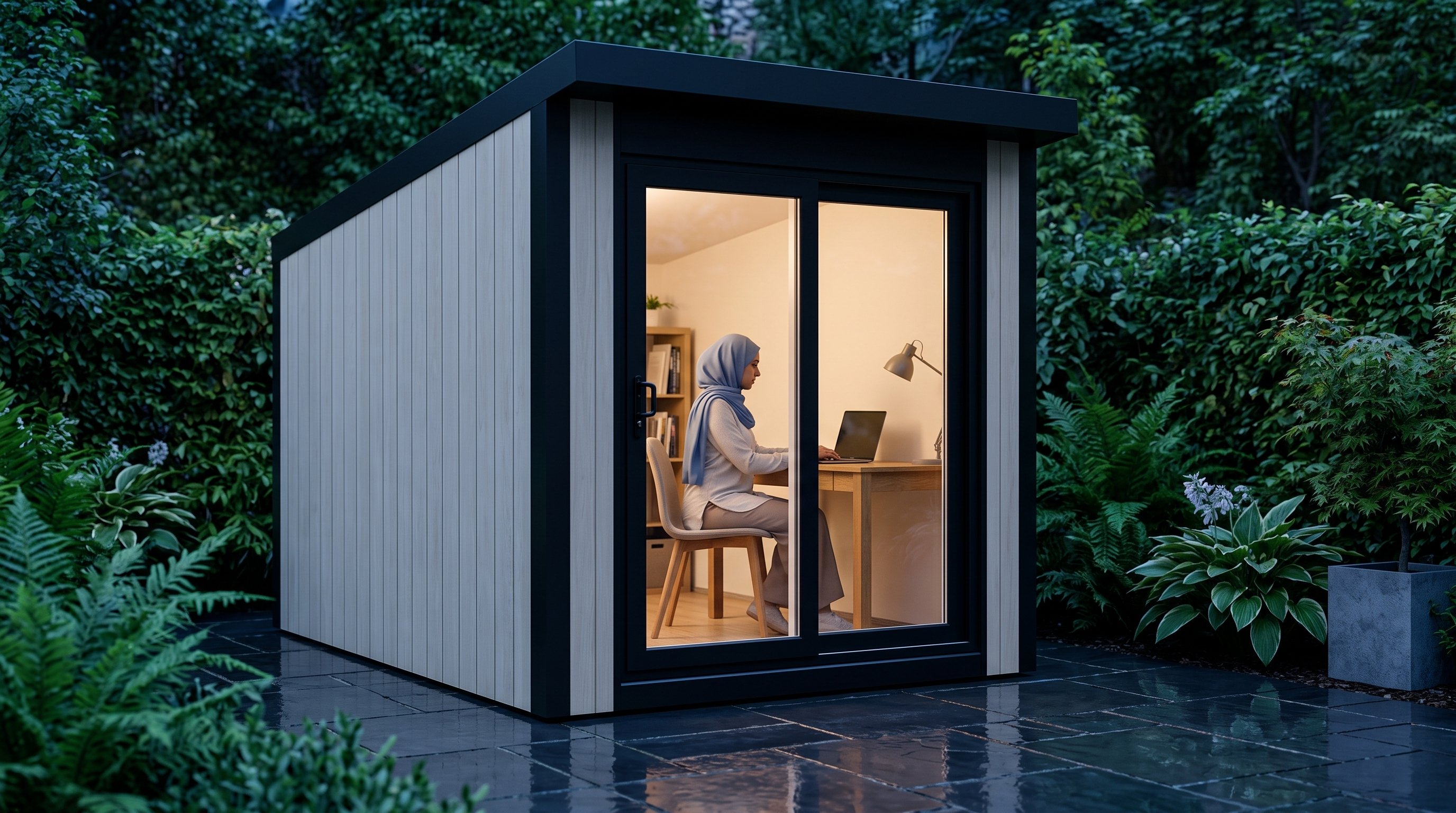
View the Calmpod 8x12 Insulated Garden Building | £11,500
Browse insulated garden buildings
By Matt W | Summerhouse Stores
Updated 8 August 2026
A usable January office starts with the building specification, not the heater. Work through heat loss, moisture, services and layout in that order.
Can a summerhouse work as a winter office?
Yes, provided its construction matches the hours you expect to use it. A lightly framed seasonal building loses heat faster than an insulated room.
Five working days each week justify a joined-up insulated shell, suitable glazing and controlled heat. Occasional mild-weather work may need less specification.
Compare the floor, wall and roof build-ups separately. Ask how doors, glazing, junctions and cable entries are sealed because local weak points create draughts.
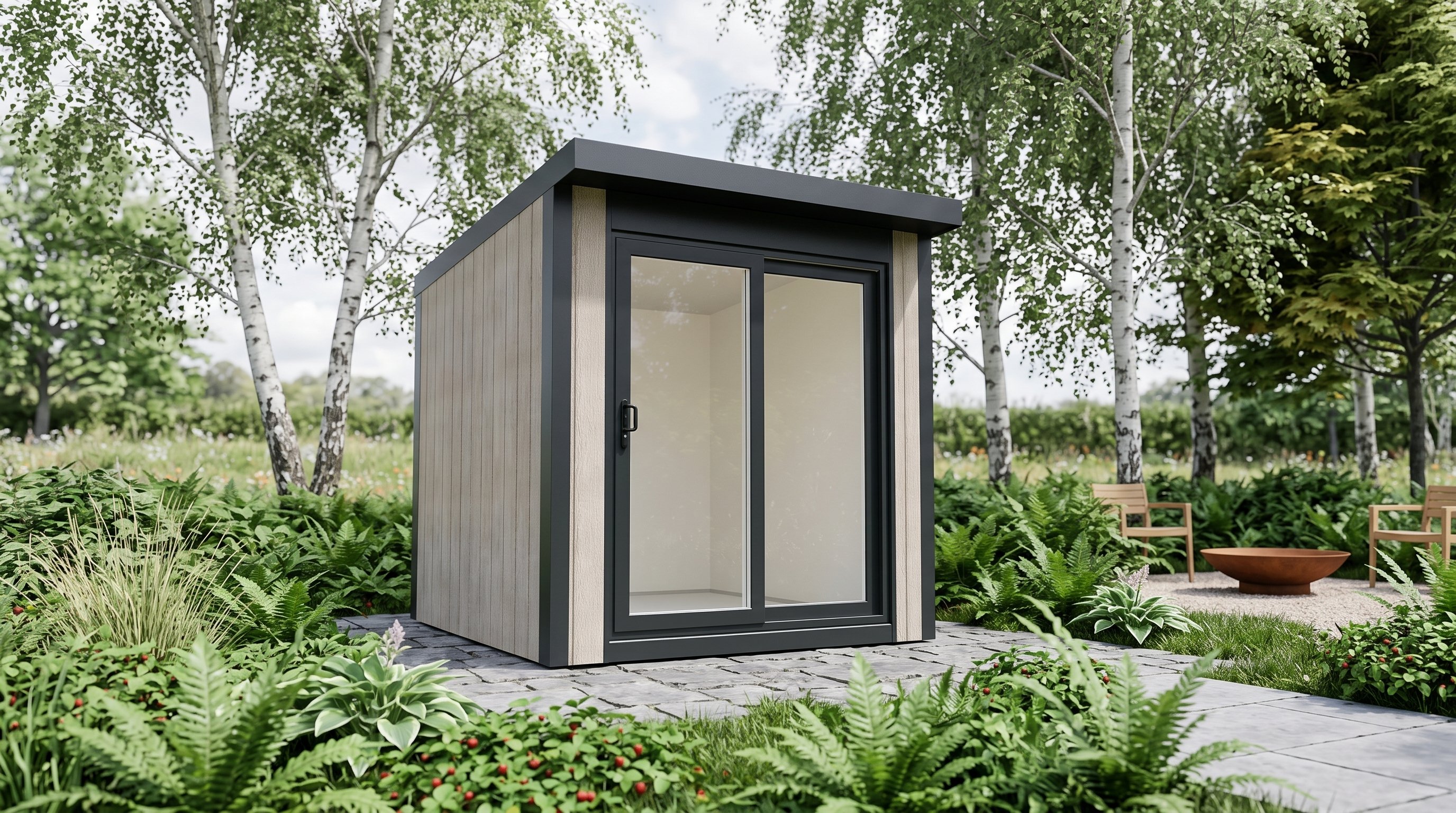
View the Calmpod 8x8 Insulated Garden Building | £9,799
Is a log cabin better than a summerhouse office?
A log cabin usually provides thicker solid timber walls and larger room options. A summerhouse commonly uses framed panels and more glazing.
Neither label guarantees winter comfort. A 28mm or 44mm log wall remains only one part of the envelope. The floor, roof, openings and draught control still matter.
Choose a cabin when you value a heavier timber shell or need a larger studio layout. Choose an insulated room when predictable year-round comfort is the priority.
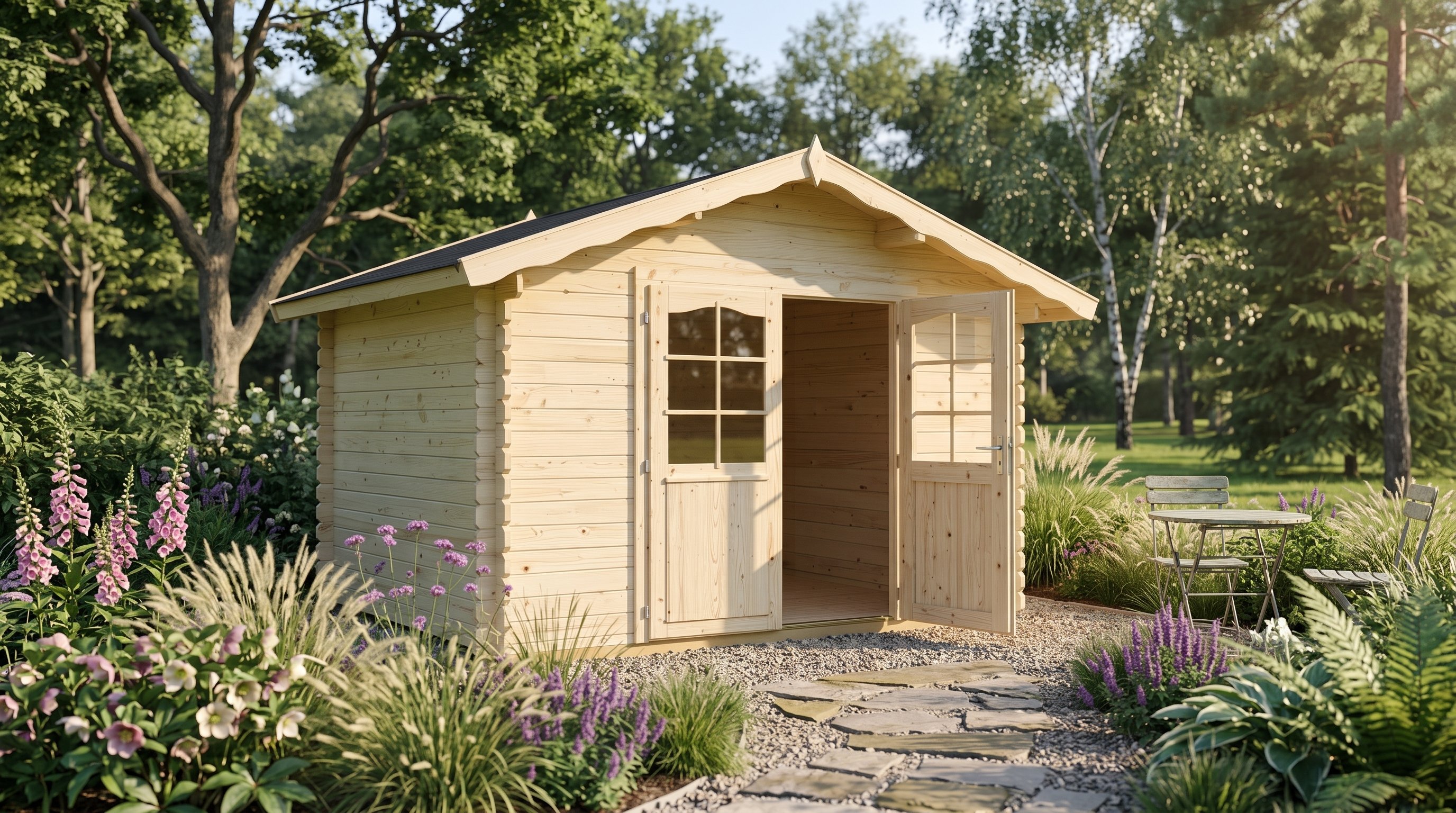
View the Palmako Vivian 3 x 2.4m Log Cabin | £2,490
| Building | Best suited to | Check before buying |
|---|---|---|
| Seasonal summerhouse | Occasional work in milder months | Floor, roof and draughts |
| Log cabin | Larger office or studio layouts | Complete insulation, not log thickness alone |
| Insulated garden building | Regular year-round work | Full build-up, glazing and services |
What insulation does a garden office need?
Treat the occupied room as one continuous thermal shell. Missing insulation beneath the floor or above the ceiling can dominate comfort.
Confirm the insulation material and complete panel build-up rather than relying on one headline thickness. Check whether stated dimensions include cladding and internal finishes.
Doors and windows should close evenly against their seals. Keep the prepared base square and level because a twisted shell can create gaps around openings.
How should you heat a summerhouse office?
Use thermostatically controlled electric heat in a suitably insulated room. Panel heaters and oil-filled radiators provide steady warmth without an exposed flame.
A qualified electrician should design the supply, protective devices and circuit capacity. Never treat a long extension lead as a permanent office power system.
Position the heater where furniture and curtains cannot block it. Place its thermostat away from direct sun, cold draughts and frequently opened doors.
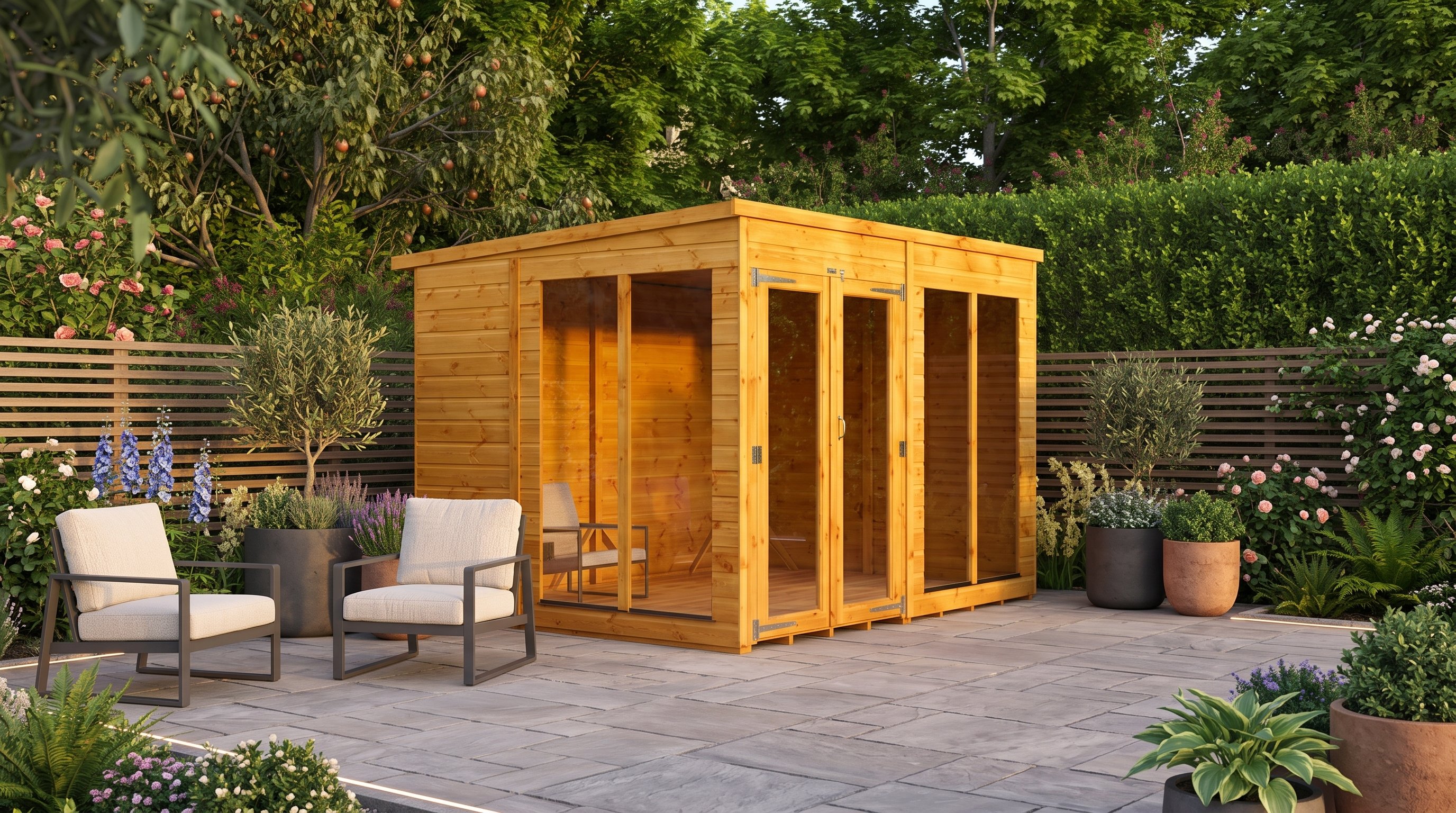
View the Power 8x6 Pent Summerhouse | £896
How do you stop condensation in a garden office?
Combine ventilation, controlled heat and a dry building envelope. Breathing, wet coats, plants and hot drinks all add moisture to occupied air.
Open windows briefly when conditions allow and keep any permanent vents clear. Leave airflow behind cupboards and avoid pressing paper storage against cold external walls.
Investigate leaks, standing water and failed seals before buying a dehumidifier. Moisture management cannot compensate for rain entering the structure.
Where should the desk, sockets and screen go?
Put the screen at right angles to the main glazing where possible. That reduces reflected daylight without turning the desk into a dark corner.
Draw the desk, chair pulled back, shelves and door swing inside the stated internal dimensions. Keep a clear route between the entrance and the working position.
Plan enough sockets for displays, laptop power, lighting, heating and charging without stacked adaptors. A wired data route can be more dependable than distant Wi-Fi.
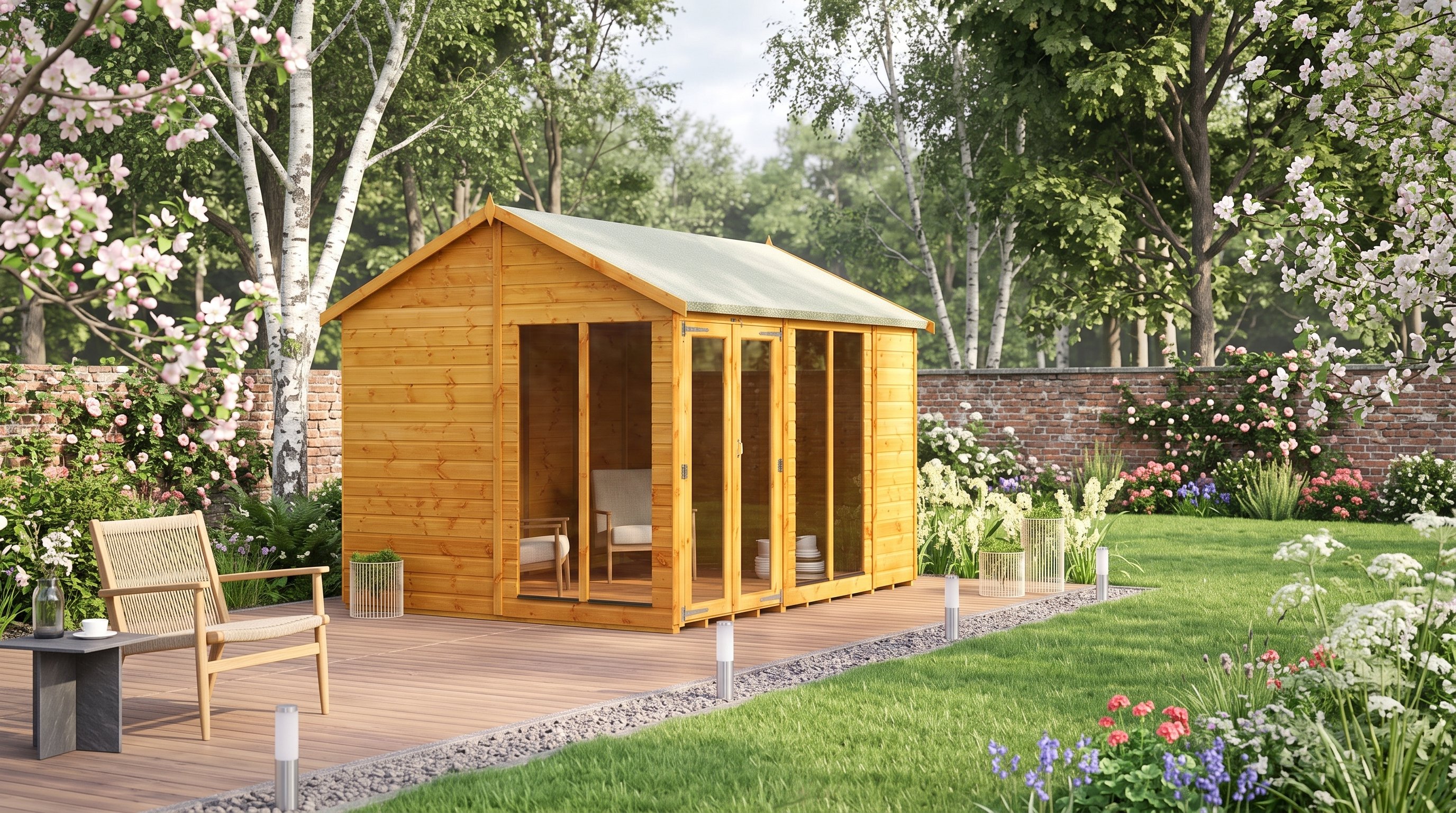
View the Power 10x8 Apex Summerhouse | £1,296
What should the complete office budget include?
Budget for the building, exact base, delivery access, assembly, electrical supply, heating, blinds, data, furniture and future treatment.
Check which items are supplied and which are optional. Insulation does not automatically include installed electrics, foundations, drainage or internet access.
Our 2026 summerhouse cost guide helps build the project budget. Check location and height using our England planning guide.
“A year-round office needs one joined-up plan for heat, moisture, power and usable space.”
Frequently asked questions
Can I work in a summerhouse all year?
Yes, when the whole building is insulated, ventilated and safely heated. Check the floor, walls, roof, doors and glazing before choosing a model.
Are 44mm log cabins fully insulated?
No, 44mm logs are not a complete insulation system. The floor, roof, glazing, doors and junctions still require separate assessment.
What heater is best for a garden office?
A thermostatic electric heater suits many insulated garden offices. A qualified electrician should size the circuit and confirm safe clearances.
Does a garden office need ventilation?
Yes, occupied garden offices need planned ventilation. It releases moisture from people, drinks, wet clothing and normal daily use.
Should a garden office floor be insulated?
Yes, floor insulation improves comfort around feet and ankles. It also reduces heat loss through the lowest part of the room.